Asiyah Women’s Center is the Only Emergency Center in NYC for Muslim Women
By Sheima Salam Sumer
May/Jun 25
Her husband put a knife to her throat and pressed another against her back in front of their child. He stabbed her friend. She tried going to her mother’s home, but her mother refused to open the door. She drove around at night with her daughter not knowing where to go.
This is a true story of one woman who sought refuge at the Asiyah Women’s Center in New York City (NYC).
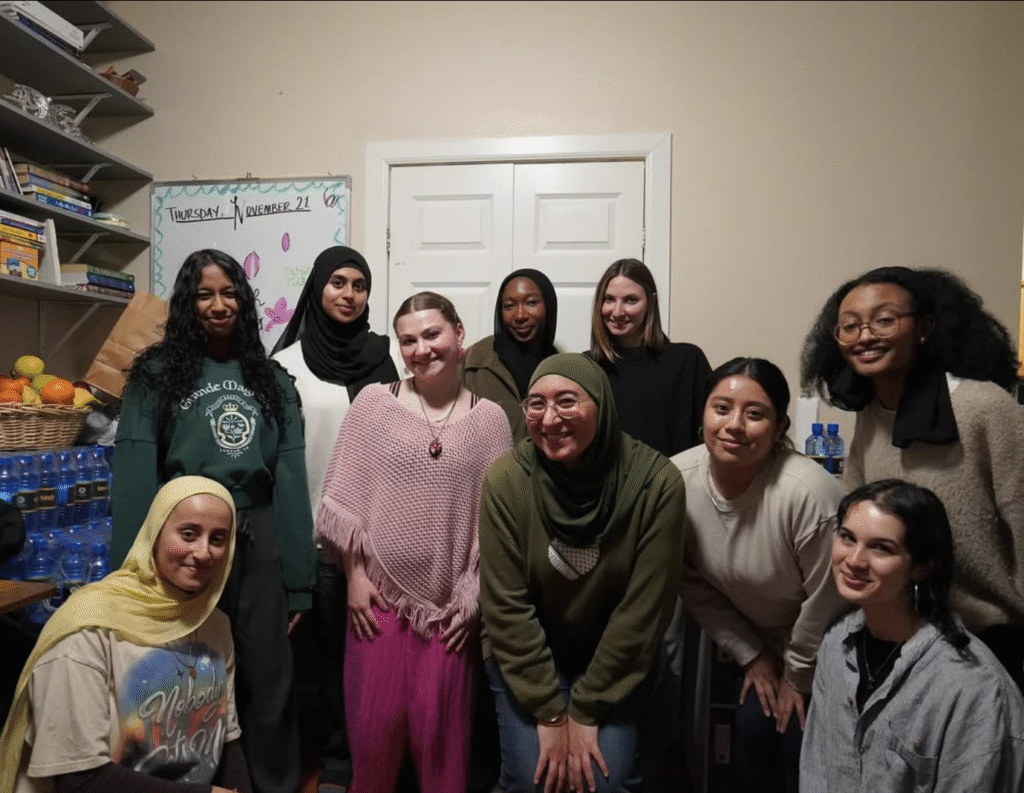
Asiyah Women’s Center is the first and only Muslim women’s emergency shelter in NYC. It was founded in 2018 by the nonprofit Muslims Giving Back to meet the need for services for Muslim survivors of domestic abuse. While the center focuses on Muslims, women from all religions are welcome.
Catering to the Needs of Muslim Women
According to the Centers for Disease Control and Prevention, about 41% of American women and 26% of men experience domestic violence in their lifetime. Asiyah Center’s website cites that 1 out of 3 American Muslim women face intimate partner violence.
“Without Asiyah Women’s Center, I don’t know where my daughter and I would be today,” said this woman, who wishes to remain anonymous. “I know so many Muslim women who do not like to be in the predicament they’re in. If you leave your home, you’re homeless. To know that there’s a place in the city that is tailored to your needs… and is here to help you… it’s very vital.”
NYC Muslim women who went to shelters before the existence of Asiyah’s faced hardships such as hijab bans, pork-only meals, and uncomfortable interactions with male staff. Because of a lack of culturally sensitive services, many Muslim women chose to remain in abusive homes rather than seek help.
Asiyah Women’s Center is the only shelter in NYC that provides halal food, modest clothing, prayer spaces, and an all-female staff.
Services for Muslim Victims of Domestic Violence
Zahra Omairat, Asiyah’s communications manager, said Asiyah goes beyond just providing shelter. “We prepare our clients for a life of stability and independence after everything they’ve endured,” she said. “Our support includes helping them secure employment and develop a steady income, enrolling them in school if needed, or connecting them to ESL classes. We ensure they have access to insurance to cover basic human necessities and assist with any legal cases they may face.”
One shelter resident said she experienced the best days of her life at Asiyah. “I finally felt like I had a family to support me, and be there if I needed them,” she said.
Omairat said Asiyah Women’s Center stands apart from others thanks to their holistic approach. “We help our clients build their resumes, prepare for job interviews, and even provide child care while they attend doctor’s appointments,” she said. “We make sure their fridge is stocked with food, and they are eating well to maintain their health and wellbeing.”
Asiyah also helps refugees and undocumented immigrants with legal and immigration services. The Asiyah Women’s Center’s Instagram page shows the center helping a family from Gaza move into their new home.
“The Immigrant/Refugee Relief Program at Asiyah Women’s Center supports families relocating from Gaza with rent and food assistance,” the center’s website states. “We offer volunteer opportunities, a monthly donation drive, and a mentorship program for migrant and college students. Additionally, we provide mutual aid to Gazan refugees in Egypt.”
An Asiyah Success Story

Spousal abuse is not the only hardship faced by the women at Asiyah’s. Omairat said some clients face injustice from their families.
“[One client’s] parents had threatened her with severe violence — even death — if she refused to enter into an arranged marriage they had planned for her,” she said. “They even went so far as to threaten to cut off her hands if she pursued her dream of becoming a doctor. Despite these unimaginable challenges, her determination to create a better future remained steadfast.”
Omairat shared that the day before the client was scheduled to be sent away to meet her intended husband, the Asiyah team intervened and brought her to safety.
“From that moment, Asiyah Women’s Center supported her every step of the way, helping her apply to college and begin her journey toward achieving her aspirations,” Omairat said. “Today, she is thriving in medical school, working toward her lifelong dream of becoming a doctor. Her story reflects… the critical importance of providing a safe and supportive environment for survivors.”
The Islamic Story Behind the Center’s Name
Omairat explained why the name Asiyah was chosen for the shelter.
“The Asiyah Women’s Center derives its name and inspiration from a figure of immense courage and resilience in Islamic history: Asiyah, the wife of Pharaoh,” she said. “Asiyah is celebrated for her bravery and steadfastness in the face of unimaginable oppression. Despite being married to one of history’s most tyrannical rulers, she stood firm in her faith, refusing to worship Pharaoh and instead believing in the message of Musa (‘alayhi as salam) about Allah (subhanahu wa ta’ala).”
Omairat said the team at Asiyah see her story reflected in the women who walk through their doors. “Like Asiyah, these women demonstrate remarkable resilience in their journey to reclaim their independence and dignity,” she said. “Her legacy. . . [is] a source of inspiration for the women we serve. Asiyah’s story reminds us that courage and faith can prevail even in the darkest of circumstances, and it is our mission to help women rediscover their strength and rebuild their lives.”
How the Center Uses the Teachings of Islam
Omairat said principles of Islam inspire and inform the center’s work. “Islam emphasizes compassion, justice, and the sanctity of human dignity, values that are central to our mission,” she said. “We use these teachings to create a safe, supportive environment where survivors feel respected and understood.”
She said faith is a source of strength and resilience for many of the center’s clients, so the team incorporates a cultural and spiritual approach into their care. Such an approach includes offering access to halal food, providing spaces for prayer, or connecting clients with Islamic resources to support their healing and personal growth.
“Islam’s teachings on justice guide us in advocating for the rights of survivors and empowering them to reclaim their independence,” Omairat said. “We also draw inspiration from the examples of strong, resilient women in Islamic history to remind our clients of their own inner strength and the potential to overcome adversity.”
What Challenges Does the Center Face?
The main challenge of running the center is having consistent funding to maintain its services.
“Providing comprehensive support such as shelter, legal assistance, career development, childcare, and access to basic necessities requires substantial resources, and we rely heavily on the community to sustain our efforts,” Omairat said.
Another challenge is overcoming the stigma of domestic violence that prevents victims from seeking help. “Raising awareness about domestic violence and the unique barriers faced by survivors is an ongoing challenge,” Omairat said. “Part of our mission is to break down these barriers through education and advocacy.”
Asiyah Women’s Center will continue to operate with Islamic values at its core, putting to practice the hadith, “God enjoins you to be good to women, for they are your mothers, your sisters, and your aunts” (Sahih al-Mu’jam al-Kabīr, 648).
Asiyah welcomes donations to help provide services to Muslim women.
Sheima Salam Sumer is the author of How to be a Happy Muslim, Insha’Allah and The Basic Values of Islam. She is also a tutor and life coach.
Want more like this? Subscribe to the Islamic Horizons magazine and support authentic journalism by Muslims for Muslims.