Reclaiming the Soul in Mental Health
By Farheen Khan
Mar/Apr 26
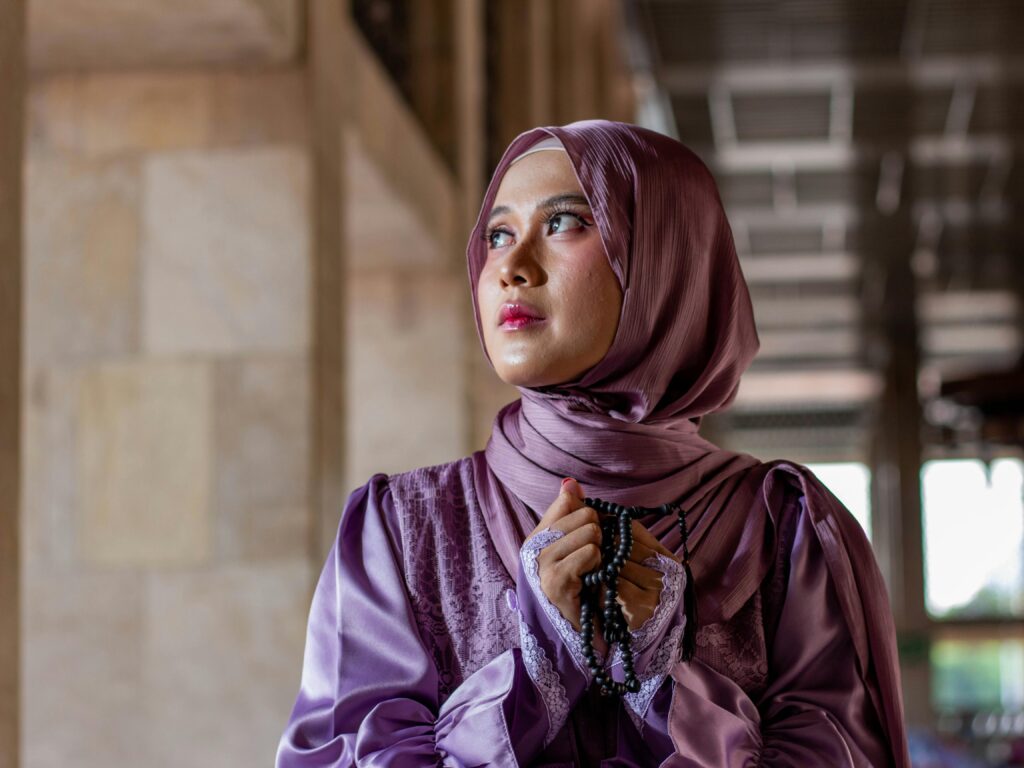
A 2021 Institute of Social Policy and Understanding (ISPU) study revealed over 25% of Muslim Americans have sought mental health services at some point in their lives. Research also shows high rates of dissatisfaction with therapist rapport and low mental health outcomes within the Muslim community in the United States, according to the American Journal of Mental Health. If Muslim Americans are finding their way to the designated experts for their problems but not receiving solutions, then the question arises: what is missing?
An unpublished 2025 Drexel University pilot study showed Muslim Americans are seeking validation of their religious identity and values in therapeutic settings. Instances of therapists showing a lack of cultural knowledge or being dismissive of patients’ belief systems have led to feelings of distrust and disconnect in patients. In some cases, this means that patient-therapist relationships break down and therapy is discontinued before problems are fully resolved.
Nora*, a 28-year-old Muslim American in New Jersey, said she looks for shared values when seeking out a therapist. “I look for someone who makes a point to clarify they understand my background and experiences as well as my goals,” she said. Nora found that working from this common understanding helps with the deeper discussions that she engages in during therapy.
It is reasons such as these that are prompting Muslim Americans to search for alternative solutions to the traditional mental health sector. Dr. Fahad Khan, Deputy Director at Khalil Center, found Islamic Psychology coming to the forefront as a holistic solution for Muslim Americans seeking guidance with mental health.
“In times of distress, people instinctively reach for meaning, prayer, and spiritual support,” Khan said. “Islamic Psychology weaves those spiritual resources together with evidence-based care, so that healing engages the mind, heart, body, and soul as one whole.” Khan said that building on a foundation of shared values creates the space for an immediate patient-clinician therapeutic alliance.
Is Islamic Psychology New?
“Islamic Psychology” is not a new concept. The word “psychology” was originally coined by the Greeks, meaning “the study of the soul.” In the late 1800’s and early 1900’s, the field of psychology began to move away from an emphasis on the soul and developed more of an empirical focus on observable phenomena.
“When we talk about Islamic Psychology, we are not inventing a new trend; we are reconnecting with a centuries-old tradition where scholars wrote in detail about the psyche with God at the center of that discussion,” Khan said. Islamic Psychology is a revival of the original meaning of “psychology” using an integrated, holistic paradigm that reintroduces the heart and soul into our understanding of the human being. Muslim psychologists dating back as far as the 800’s wrote books and outlined psychological frameworks that are relevant to this day.
For example, conditions such as Obsessive Compulsive Disorder that are still being described and reclassified in modern times were thoroughly detailed by Muslim psychologist Abu Zayd al-Balkhi nearly a millennium ago. The research and treatment plan that al-Balkhi developed roughly 1100 years ago is the same treatment plan offered by modern day therapists in the West.
What Does Islamic Psychology Treatment Look Like?
A misconception about Islamic Psychology is that its treatments only involve prayers. And while performing salah (prayer), making dua (supplication), reading Quran, and reciting adhkar (rememberance) are all therapeutic, these practices are not the only treatments for a patient’s mental health. Islamic Psychology is an elaborate discipline with its own framework through which human thinking, behavior, and emotion are interpreted. Islamic Psychology, or ilm an-nafs (study of the soul), is rooted in Quran, hadith, and Islamic philosophy and emphasizes an equilibrium among the four intertwined aspects of the human self – qalb (heart), nafs (behavior), ‘aql (intellect), and ruh (spirit).
Islamic Psychology views these aspects of the human self to be so interconnected that the original Muslim mental health facilities – dating back as early as the 8th and 9th centuries – were situated within hospitals. Physical ailments were treated alongside psychological disturbances, and there was no differentiation between the two, nor stigmatization when seeking out mental health support.
Does Islamic Psychology Reject Modern Psychology?
Islam and science are never contradictory, but rather mutually complementary. This is the case for Islamic Psychology as well. Practitioners of Islamic Psychology integrate modern psychological and psychiatric perspectives, diagnoses, and treatments that align with Islamic Psychology. For example, Islamic Psychology clinicians use modern diagnostic frameworks used by traditionally practicing clinicians such as the Diagnostic and Statistical Manual for Mental Disorders (published by the American Psychiatric Association Publishers) to assess patient conditions.
“Islamic Psychology is not a rejection of modern science; it is a lens that asks, ‘How do we use what works in psychology in a way that is faithful to our understanding of the human being in Islam?’” said Khan. “That integration is where the real power lies.”
Finding Therapists Who Incorporate Islamic Psychology
The revival of Islamic Psychology is still in its youthful stages, but application of this discipline is expanding rapidly. There are two different implementation methods typically found among practitioners: Islamization of western psychology, and the authentic usage of the Islamic Psychology paradigm.
The more prevalent of the two is what has been termed as “Islamization” of western psychology. Muslim and non-Muslim practitioners might infuse aspects of Islamic practices into their therapy or treatment methods. This may very well provide short-term relief to those who need immediate support, but it is an incomplete solution. There are many hidden biases that go against Islam in seemingly harmless concepts, such as “manifestation,” that are popular in contemporary mental health practices.
Practitioners of Islamic Psychology fully embedded within the authentic paradigm are ideally dual trained, with solid grounding in both the religious sciences as well as psychology. This includes all types of mental health providers including psychologists, social workers, and marriage and family therapists.
If you are looking for a mental health clinician who practices Islamic Psychology, you can check out organizations such as Maristan and the Khalil Center. They offer remote sessions allowing for accessible, faith-based therapy no matter where you are located.
For more information on Islamic Psychology, visit the International Association of Islamic Psychology website, the International Students of Islamic Psychology website, or the Yaqeen Institute website.
*Name has been changed for privacy.
Farheen Khan is pursuing a doctoral degree in educational leadership with concentration in mind, brain, and learning, and a diploma in Islamic Psychology through Usul Academy. Farheen also serves in the leadership team for the ISIP North America chapter. Follow her on Instagram and TikTok @IslamicPsych_WithFarheen.
Want more like this? Subscribe to the Islamic Horizons magazine and support authentic journalism by Muslims for Muslims.